
A new class of early diagnostics for neuroinflammatory and neurodegenerative diseases
We move diagnostics upstream from late stage damage detection to functional analysis of early neuroinflammatory mechanisms.
dAIgnostics Method
dAIgnostics has developed a liquid biopsy platform for neuroinflammatory and neurodegenerative diseases
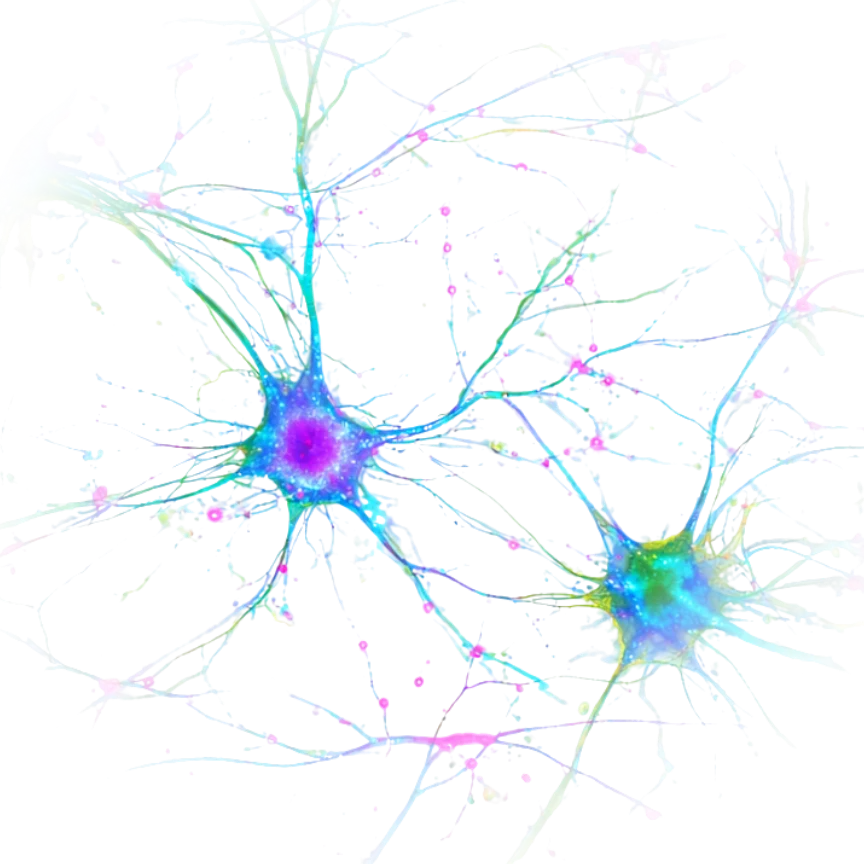
The method is based on a disruptive diagnostic paradigm that directly measures the functional impact of patient-derived serum immunoglobulins G (IgG) – antibodies on healthy cells of neural origin. Instead of detecting downstream biomarkers, it captures early pathophysiological processes triggered by neuroinflammatory IgGs.
Using time-resolved fluorescence microscopy, the platform records three independent and mechanistically/physiologically relevant intracellular responses: calcium signaling, reactive oxygen species, and vesicular trafficking.
These signals reflect early disease mechanisms implicated in ALS and other neuroinflammatory conditions, often appearing before structural degeneration becomes detectable through imaging or conventional biomolecular markers. Artificial Intelligence (AI), particularly through ensemble and Bayesian algorithms, reinforces the multimodal nature of the acquired signals and enables high-probability predictive modeling.
dAIgnostics Products
dAIgnostics Studio
Challenge
Modern laboratories generate vast amounts of multimodal data. from omics and imaging to structured clinical datasets. These data are often fragmented across multiple systems, making integration, reproducible analysis, governance, and transparent reporting for research and regulatory environments difficult.
Solution
dAIgnostics Studio is a cloud-native platform that unifies the research data lifecycle and enables secure analysis of multimodal datasets. It supports AI/ML workflows, cohort construction, and explainable reporting with full traceability.
Outcome
- Unified multimodal data across omics, imaging, and clinical datasets
- Fully traceable and reproducible AI/ML analytical pipelines
- Transparent, AI-generated reports aligned with regulatory standards
Multimodal Data Platform
A unified hub for secure integration and analysis of biomedical data.
AI-Driven Research Acceleration
AI workflows and explainable reporting that enable faster, more reliable research.
dAIgnostics Apparatus
Challenge
Traditional in vitro diagnostics (IVD) often rely on fixed, frozen, or chemically treated cells, which can alter biological behavior and limit detection of true physiological biomarker responses. These methods increase variability, complexity, and the need for specialized laboratory environments.
Solution
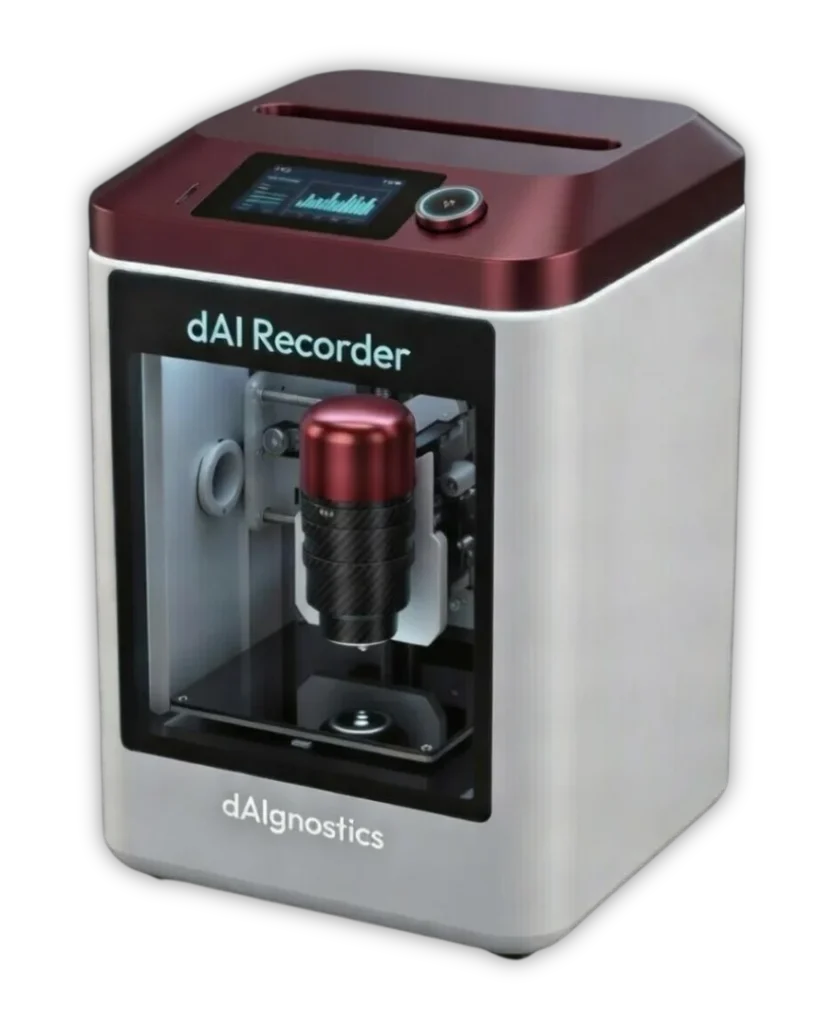
dAIgnostics Apparatus is a IVD system designed to capture physiological biomarker signatures directly from living cells. Operating in a closed, contamination-controlled environment, it enables reliable diagnostics with viable cells while simplifying laboratory workflows.
Outcome
- Biomarker detection from viable living cells under physiological conditions
- Standardized and repeatable in vitro diagnostic procedures
- Simplified workflow for standard clinical environments.
Living Cell Diagnostics
Capture physiological biomarker signatures directly from viable cells.
Integrated IVD System
A system platform for standardized, contamination-free diagnostics.
Founders
A multidisciplinary team spanning biophysics, neuroscience, and AI.
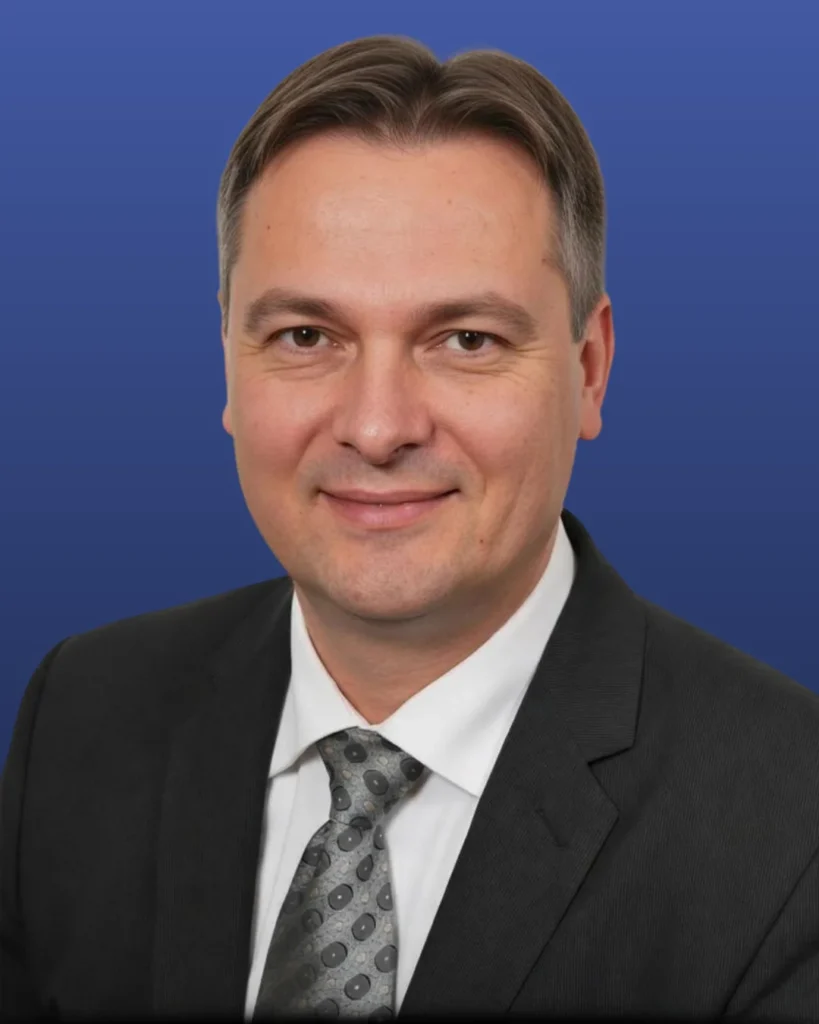
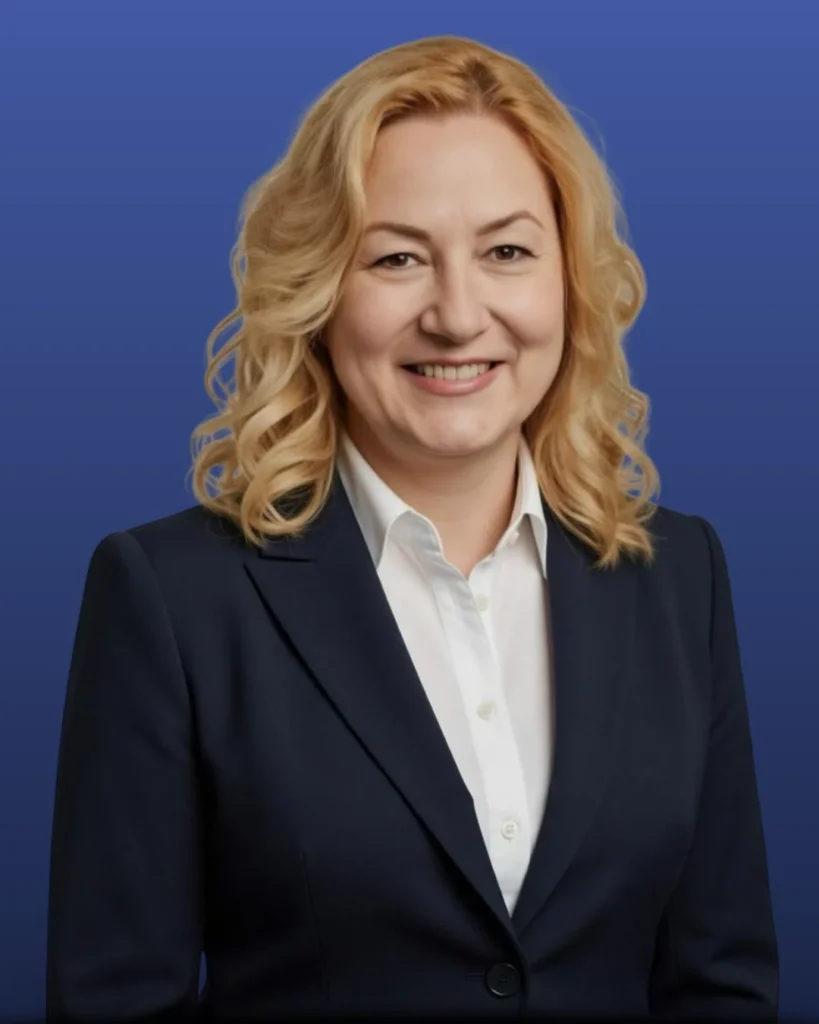
prof. Domagoj Frank, PhD
Chief Executive Officer (CEO)
25+ years of experience leading research and technology innovation. With a PhD in interdisciplinary sciences and a background in electrical engineering, he leads strategy, innovation, and the translation of research into clinical applications at dAIgnostics.
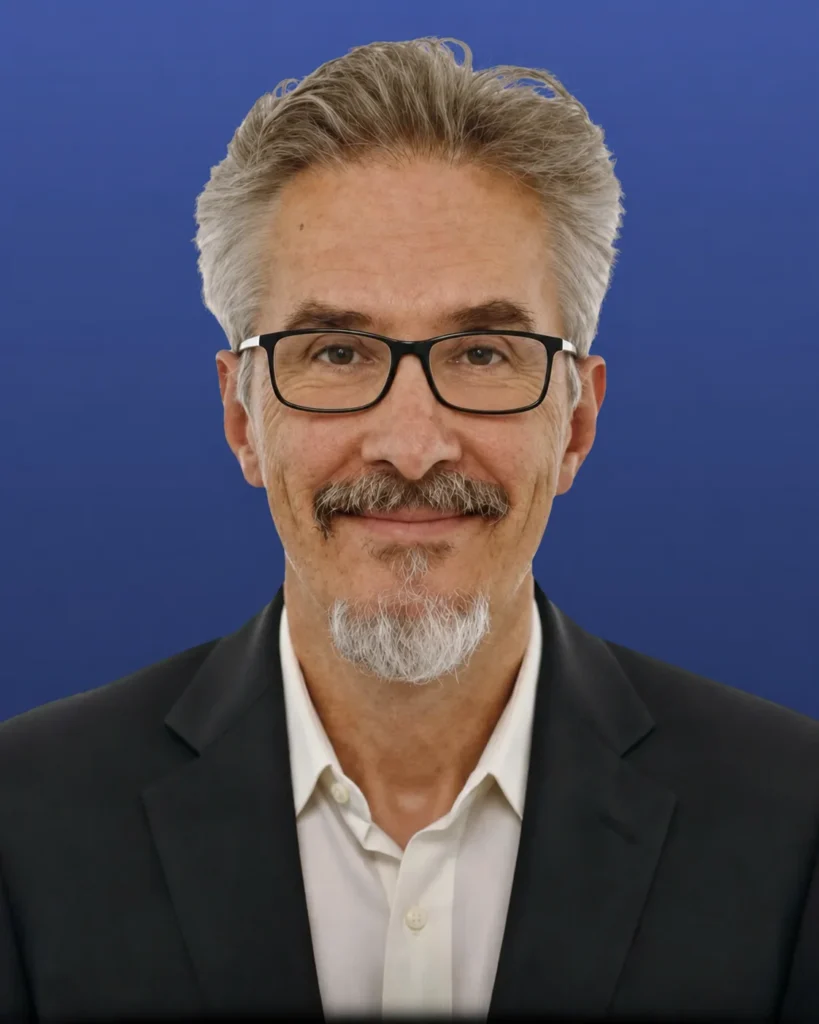
Prof. Pavle Andjus, PhD
Chief Science Officer (CSO)
Biophysicist with 30+ years of research in neurobiology and co-founder of the dAIgnostics methodology. Prof. Andjus is a biophysicist with over 30 years of research experience and grants coordination in neurobiology and neuroimmunology. He is a co-founder of the dAIgnostics methodology and leads research focused on ALS diagnostics and experimental validation of diagnostic models.
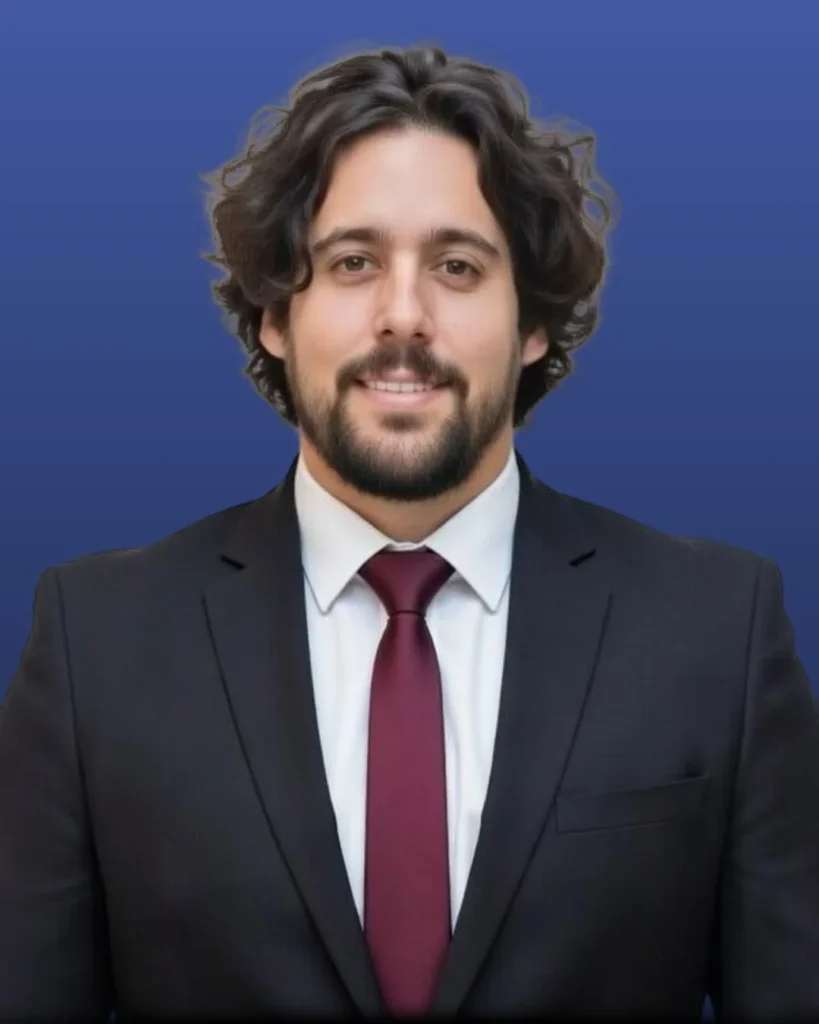
Asst. Prof. Ivan Lorencin, PhD
Chief Technology Officer (CTO)
AI and computer vision expert specializing in machine learning for medical diagnostics.
Prof. Lorencin specializes in artificial intelligence, computer vision, and machine learning for medical diagnostics. At dAIgnostics, he leads the development of AI solutions for earlier and more precise detection of neurodegenerative diseases.
Core team
Research Partners
Our research partners bring together expertise from academia, advanced microscopy, photonics and innovation centers, supporting the development and validation of our scientific approach.
- The Centre for Laser Microscopy (CLM)
- University of Belgrade, Faculty of Biology
- Photonics Centre, Institute of Physics, University of Belgrade
- Poduzetnički centar Krapinsko-zagorske županije